
Kashmir’s Hidden Hours: The Valley Hour by Hour
HIDDEN
HOURS
Vol. I · 2026 Edition
KashmirTickets.com
─────────────
Seven Hours
The Valley Keeps
to Itself

Hour by Hour
DAL LAKE
BEFORE
THE WORLD
WAKES
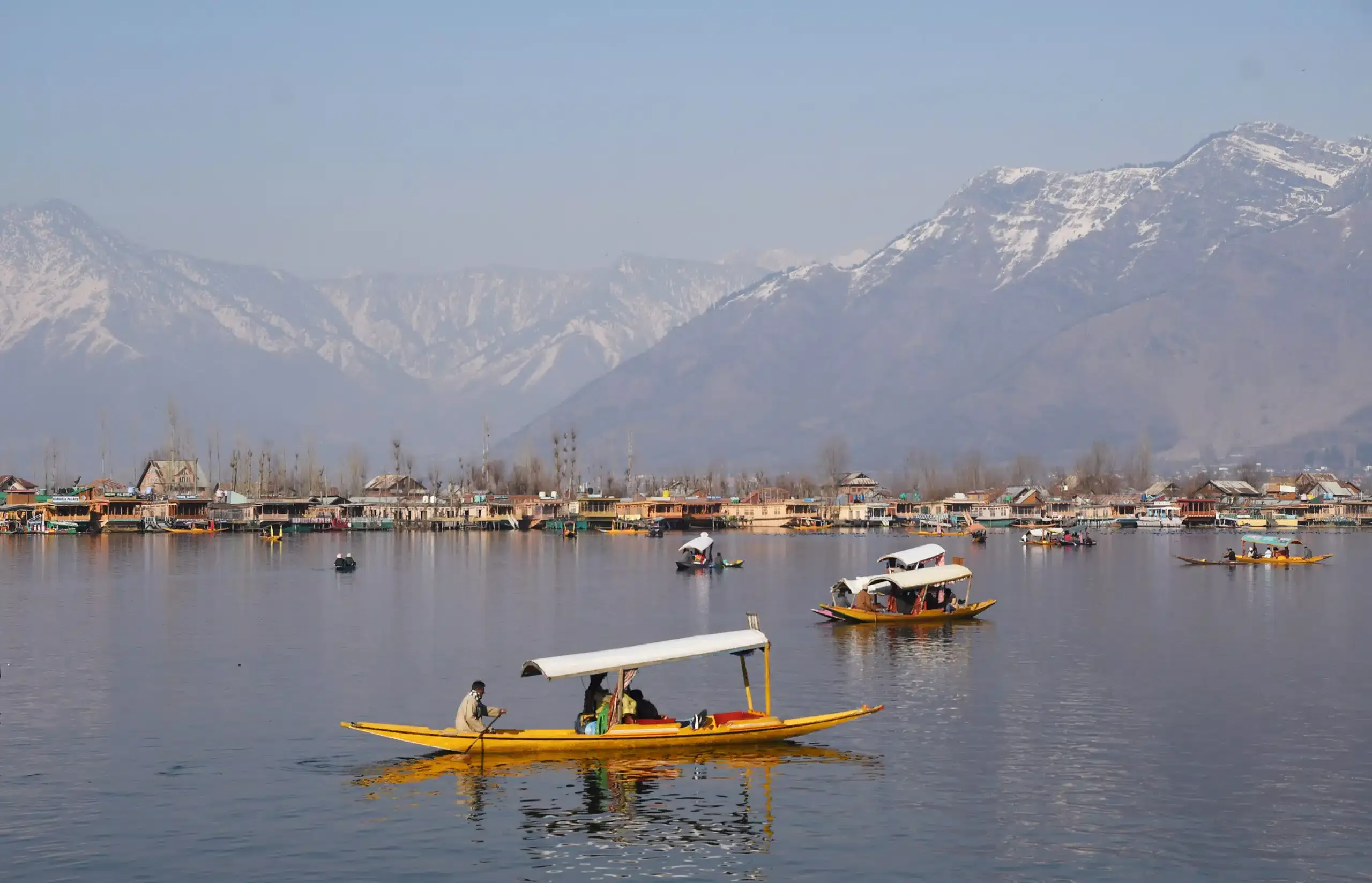
Set an alarm for 3:45am. Nobody tells you to do this. Do it anyway. Step onto the deck of your houseboat before the call to prayer and you will find something no postcard captures: absolute darkness over water, and within it a silence so complete you can hear your own breathing.
The Azaan begins at 4:07am from Hazratbal Mosque. The sound travels over the water with no traffic, no noise — just a voice carrying across a frozen surface, echoing off the Zabarwan hills, settling back into stillness. This is the Kashmir that Kashmiris actually live inside, every single morning.
“The shikarawallas leave for the floating market at 3:30am. If you are awake, they will take you along.”
Temperature: −4°C
REMEMBERS
LAST NIGHT’S STARS
LONGER THAN THE SKY
BAKERY
LANES &
PINK TEA

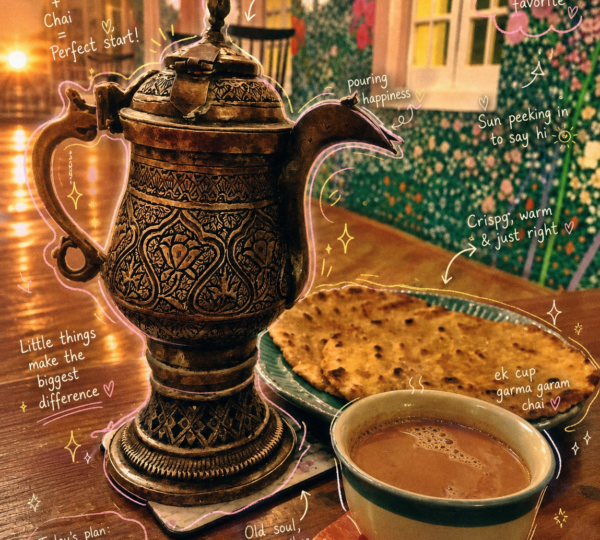
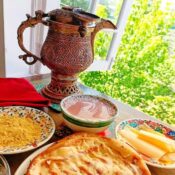
By 6am, lanes near Jamia Masjid fill with the scent of warm kulcha. Men in pherans carry stacks of bread on their heads through alleys barely wide enough for two. This is also the hour for noon chai — the fuchsia-pink Kashmiri salted tea — at its most authentic.
Not in a tourist café. In the chaikhanas that open for labourers before the city wakes. A glass costs ₹15. The colour is shocking. The taste is saltier than you expect. The warmth spreads from your palms outward.
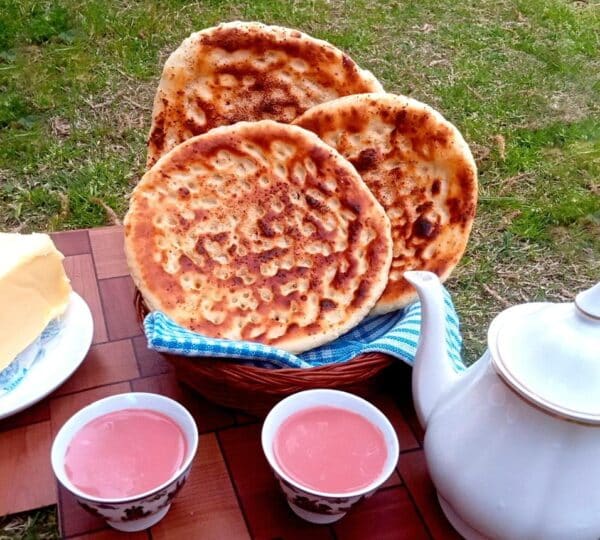
Girda — soft Kashmiri bread, best within 12 minutes of the oven. Sheermal — saffron-glazed flatbread. Noon chai — salty, pink, warming. Pair with a walk to the Jhelum riverfront before the tour groups arrive.
SRINAGAR
BEFORE
THE NOISE
The Jhelum riverfront at 6am is Srinagar’s best-kept secret. Fishermen lay nets along the banks. Old men perform wudu before Fajr prayer. The river moves slowly, dark green, carrying the reflections of wooden buildings that have stood since the 16th century.
Walk from the Zero Bridge toward the Habba Kadal (Seventh Bridge). This route, a mile long, takes you through six centuries of architectural history. None of it is signposted. All of it is open.
“Srinagar’s old city is a living museum. The tragedy is that nobody visits before 9am.”
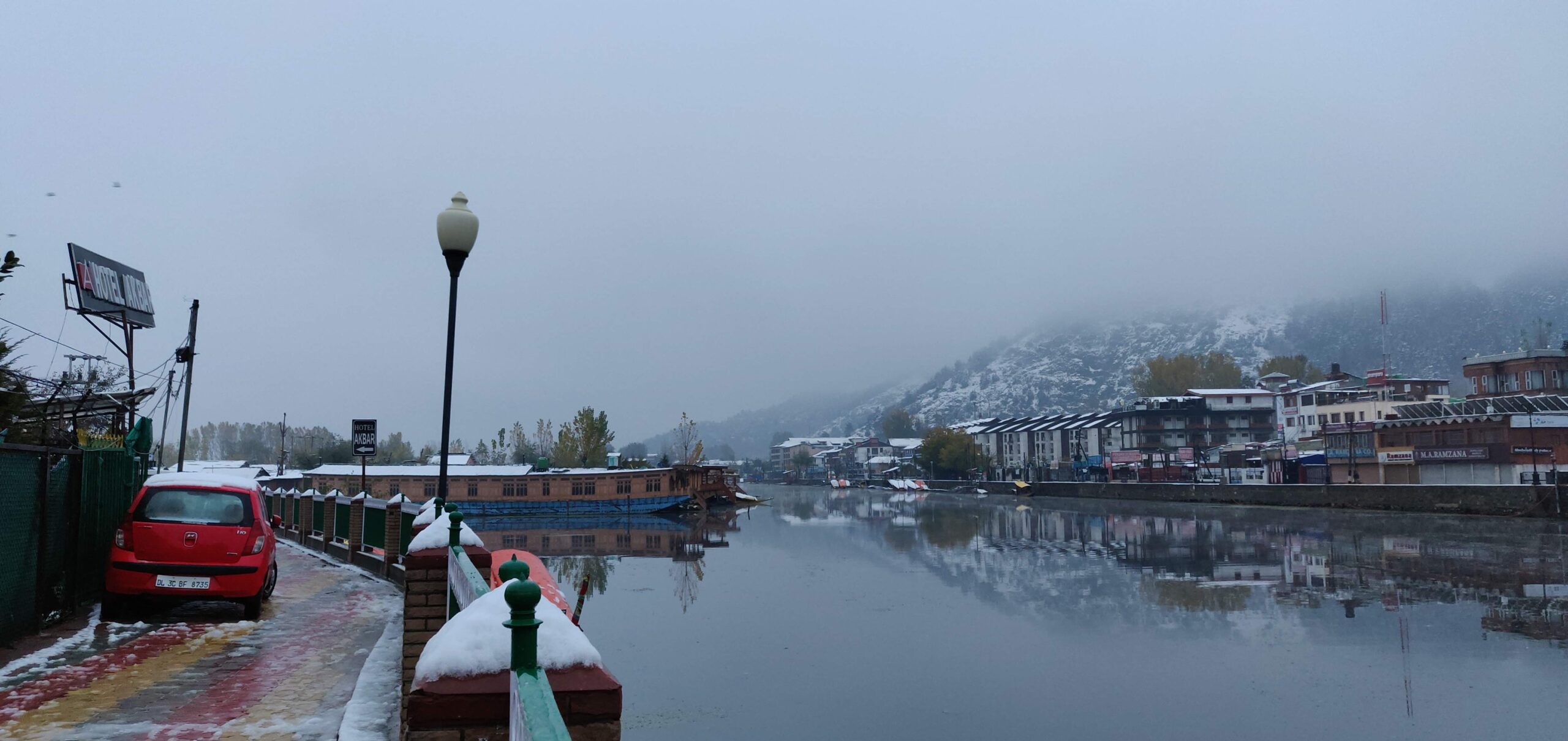
Old Srinagar · Pre-dawn · The city remembers
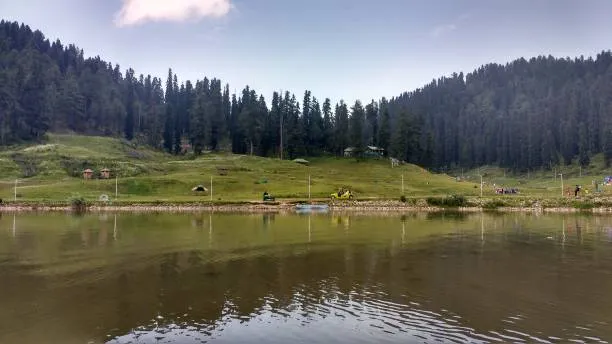
Zero tourist vans.
THE
MEADOW
NOBODY
GOOGLED
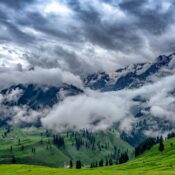
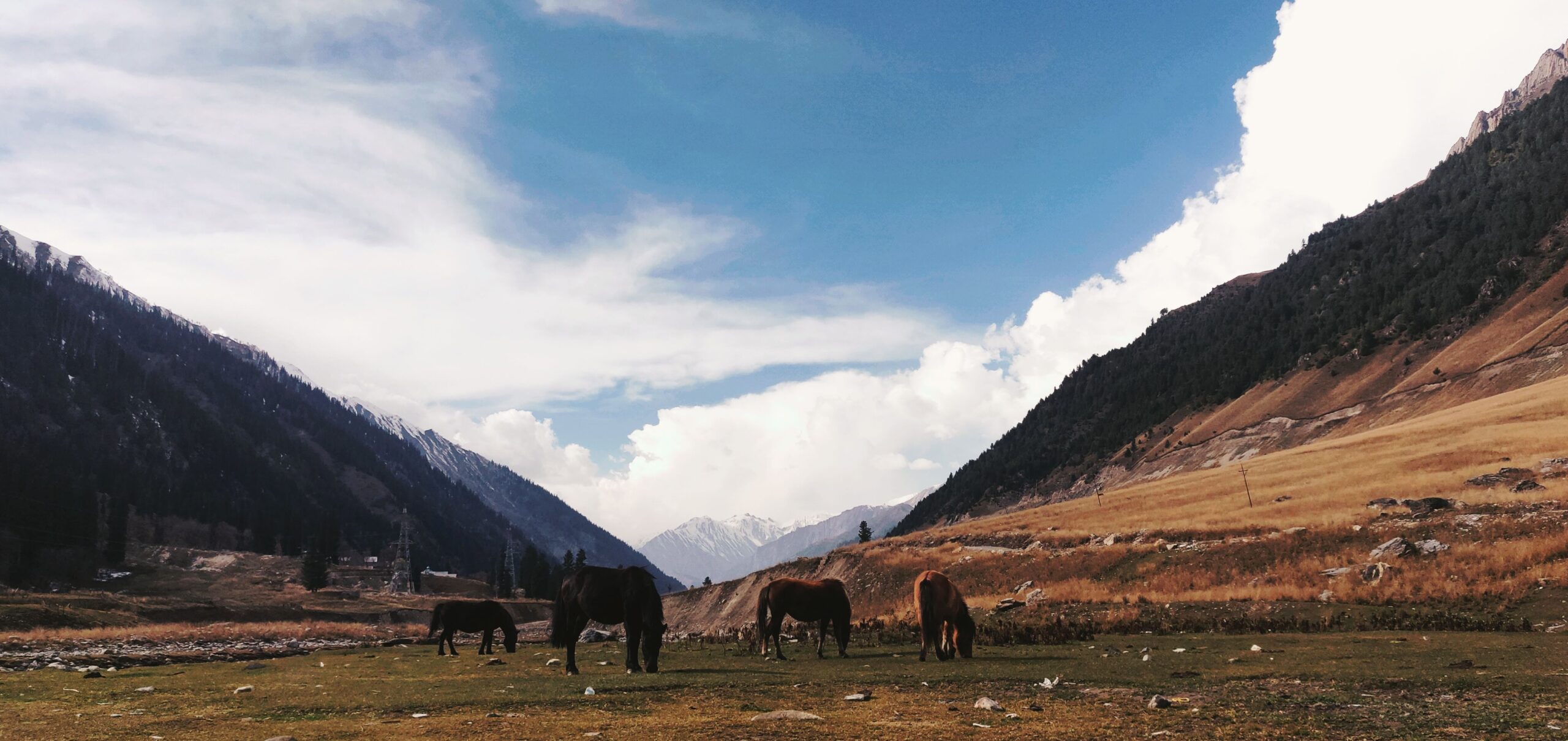
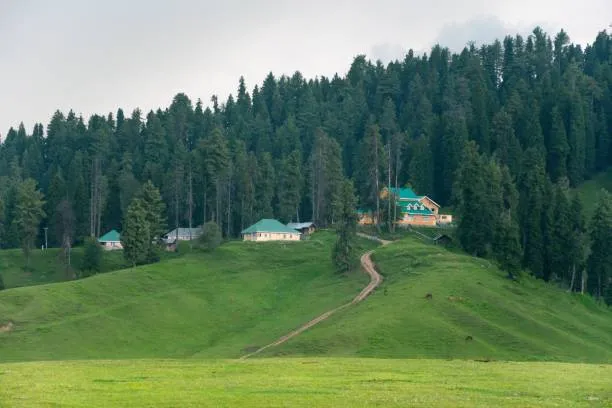
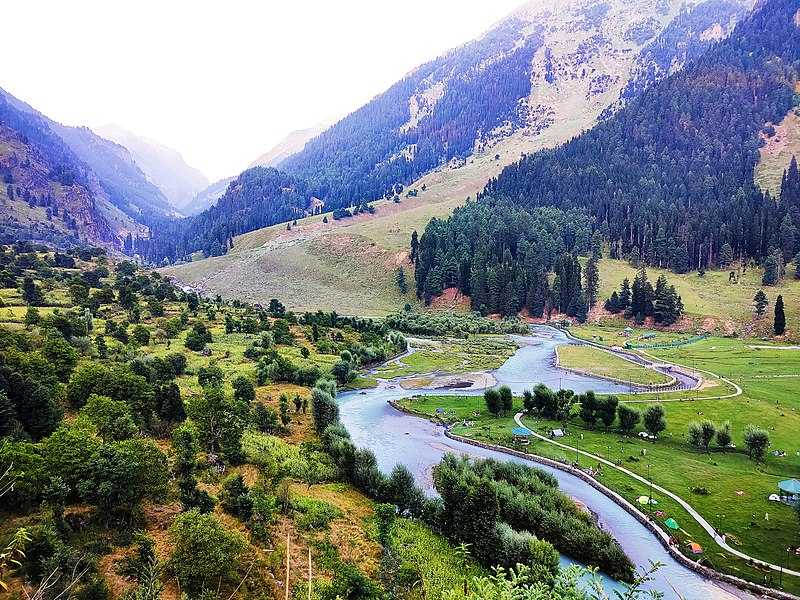
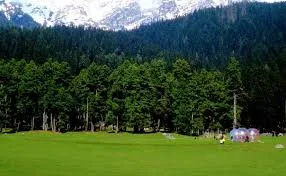
The meadow sits at 2,400m and the grass is still cold underfoot. The Doodh Ganga river runs below a ridge of pine so thick that morning light enters it like a cathedral. No stalls yet. No horse rentals. Just a landscape deciding whether to exist.
The Brown Trout fishermen are already here. They arrive with the light. If you sit nearby and ask nothing, they will tell you everything — which bend runs deepest, which winter froze it solid. This is Kashmir’s oral archive, offered freely over a fishing rod.
At the far end of the meadow, four ancient chinar trees — over 400 years old — stand in a square. Locals call them the “Four Witnesses.” No sign marks them. Walk 20 minutes past the main meadow, river to your left.

HIGHEST
CABLE CAR.
FIRST RIDE.
GULMARG
BEFORE THE
QUEUE
FORMS
The Gulmarg Gondola — Asia’s highest cable car at 4,200m — typically has a two-hour queue by 11am. There is a local rhythm nobody publishes: arrive before 8am and the staff (who are themselves Gulmarg villagers) open Phase I earlier for those who appear serious.
At the Kongdori Bowl, the light is perpendicular to the snow and the slope turns a shade of blue-white that no camera sensor reproduces correctly. You will spend five minutes trying to photograph it, then give up and just look. This is the correct response.
“At Phase I, one operator builds an igloo café each winter from compressed snow. The kahwa served inside tastes different at 2,600m.”

Wind. Light. Silence.
THE
SAFFRON
HOUR
Fourteen kilometres from Srinagar, the Karewa plateaus of Pampore produce 90% of India’s saffron. For eleven days each October, the fields bloom violet. At 2pm the blooms are fully open — they close by 4pm and are harvested before dawn. Each flower is visible to the human eye for exactly six hours.
Walk into the fields with the farmers’ permission (always given). Crouch at the level of the blooms. The fragrance at ground level — sweetly metallic, like warm honey and iron together — is unlike anything you have smelled.
The Karewa plateaus are ancient lake-bed deposits — the Kashmir valley was a prehistoric sea. The same soil holding saffron roots holds 70,000-year-old sediment. You are standing on the floor of an inland ocean.
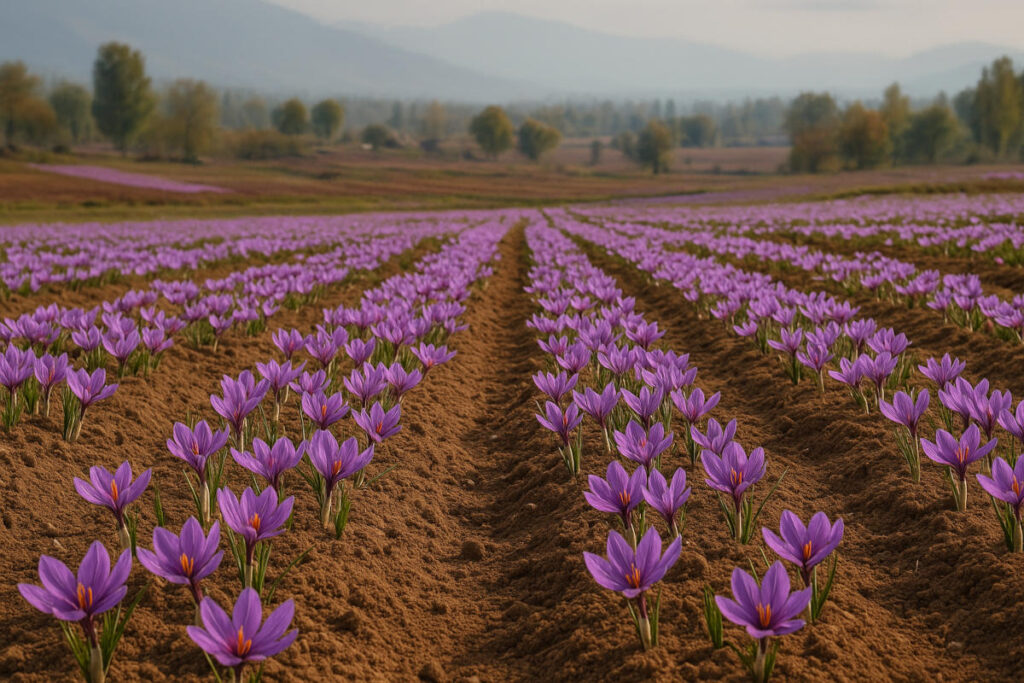
Pampore · October harvest · 11 days of bloom
PARI
MAHAL
AT GOLDEN
HOUR
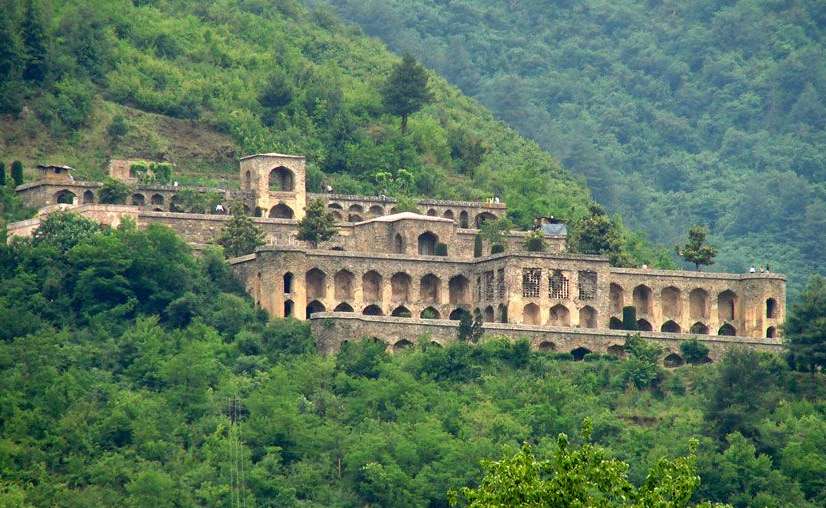
Pari Mahal — the seven-terraced Mughal garden built by Dara Shikoh in the 17th century — sits above
Dal Lake on the Zabarwan slopes. Tour groups visit at 11am and leave by noon. At 5pm the site is nearly empty and the amber light across the carved arches makes the stone warm to the touch.
From the top terrace: the entire Dal Lake below, the city behind it, the Pir Panjal range turning rose-gold beyond. Kashmir in its entirety, visible in a single glance, at the single hour it looks like a miniature painting come to life. Dara Shikoh chose this spot deliberately. He knew.
“The carved niches along the walls once held oil lamps for night-time court gatherings. Bring a torch.”
Built 1640. Still perfect.
THE
WAZWAN
THAT BEGINS
AT NIGHT
The Wazwan’s 36 dishes arrive in sequence, announced by the Waza. It begins with Tabak Maaz (rib rack) and escalates through Rogan Josh and Yakhni, culminating with the Gushtaba — meatballs in yoghurt — which by tradition signals the feast is complete.
This sequence was codified in the 15th-century Kashmir court. The particular order matters: each dish prepares the palate for the next. A proper Wazwan requires minimum eight guests and two days’ advance notice. It is available if you ask the right person. That person is us.
A Wazwan is served on a single copper plate (trami) shared by four guests. The sharing is intentional — a political act stating that at this table, caste and rank dissolve. The Mughal emperors understood this as Kashmir’s most subtle protest.

AFTER THE
VALLEY SLEEPS
THE
VALLEY
AT REST
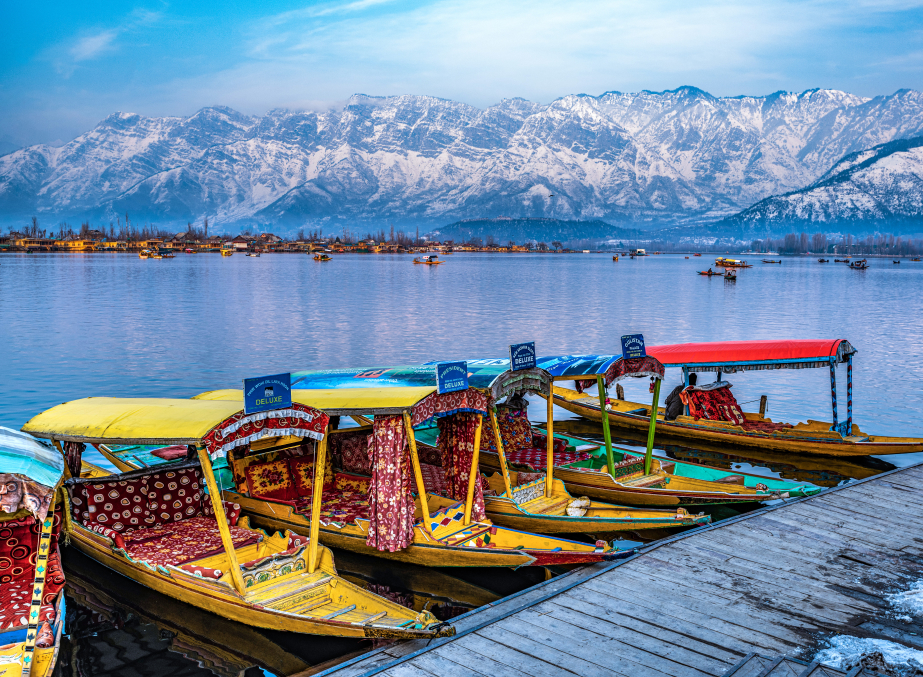
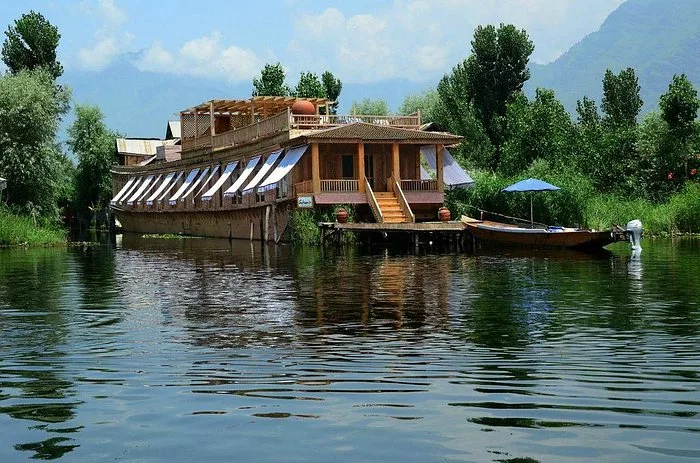
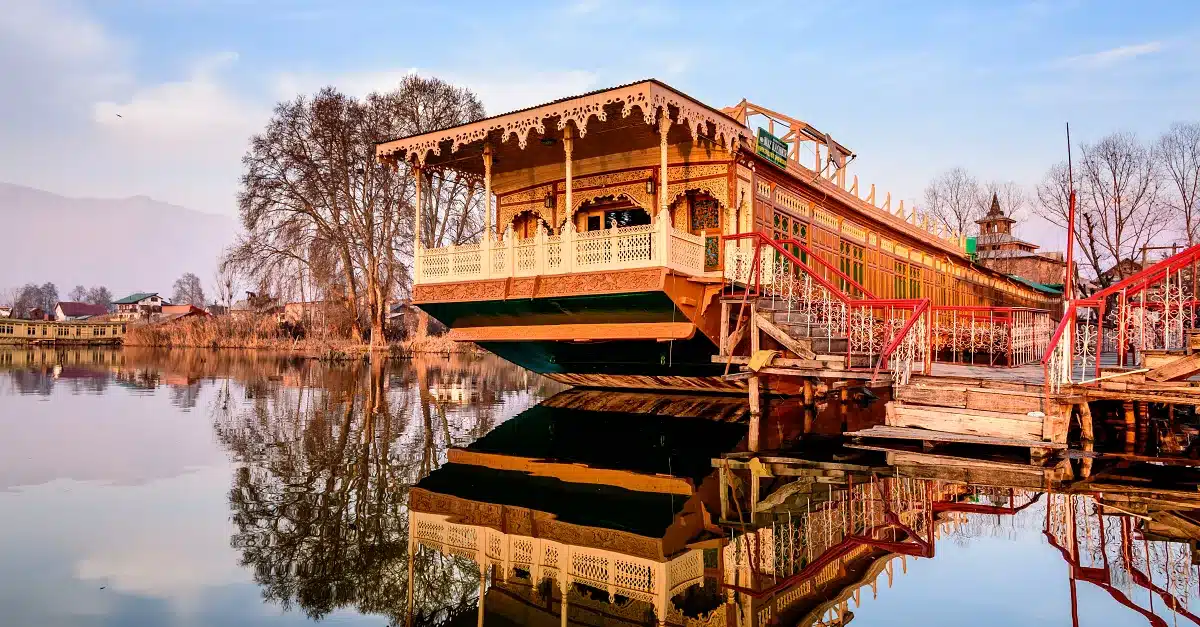
At 11pm, the last shikara has docked and the lake surface is glassy again. From the carved-wood veranda of a heritage houseboat, you see the ring of lights from the surrounding shore reflected in broken columns in the water.
The Zabarwan peaks are black shapes against a sky that — away from city light — has more stars than you have seen since childhood. This is the hour Kashmir reveals what it actually is: not a destination, not a postcard. A place that has been extraordinary every morning for 70,000 years, long before a traveller arrived and declared it beautiful.
The valley doesn’t need the declaration. But perhaps you do. And now you have it.
“The heritage houseboats have names — Sukoon, Chiragh, Dilkusha. Run your fingers along the carved doorways before you sleep.”
23:00 PM · All is still.
LET US PLAN
YOUR
HIDDEN
HOURS.
Tell us when you arrive. We will tell you which alarm to set — and build the entire itinerary around those moments, not the other way around. We live here. We know every hour.
© 2026 · All Rights Reserved
Field Journal Vol. I
Continue Reading
→
→
→
→
→
Long after the trip ends, you won’t remember the checkpoints or the plans. You’ll remember the 4am azaan over Dal Lake, the warmth of noon chai in cold hands, and the sound of a silent houseboat at midnight
All Categories
Recent Posts
Kashmir’s Hidden Hours: The Valley Hour by Hour
Kashmir For Every Mood — Views, Food, Romance & Adventures in One Journey
Markets in kashmir
Tags