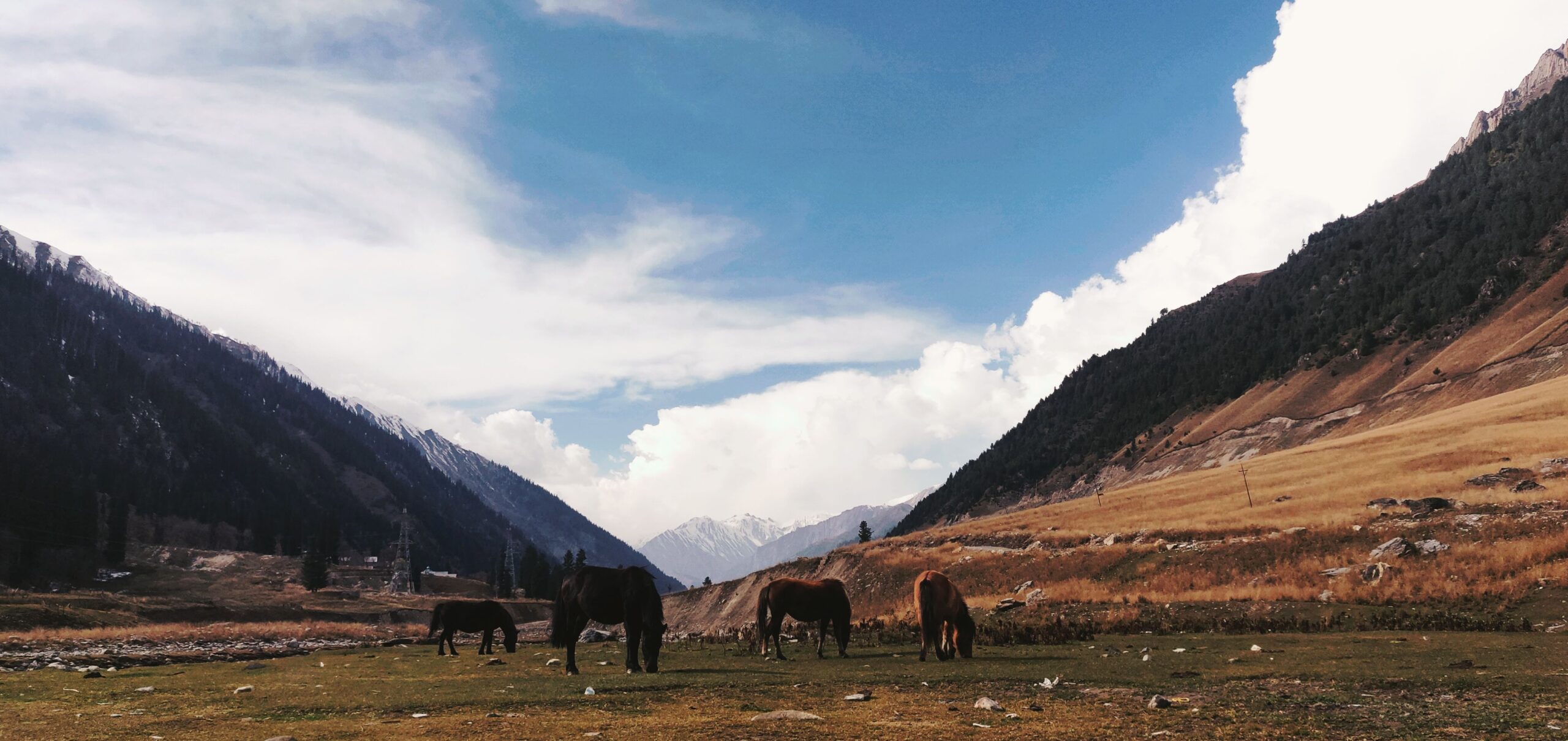
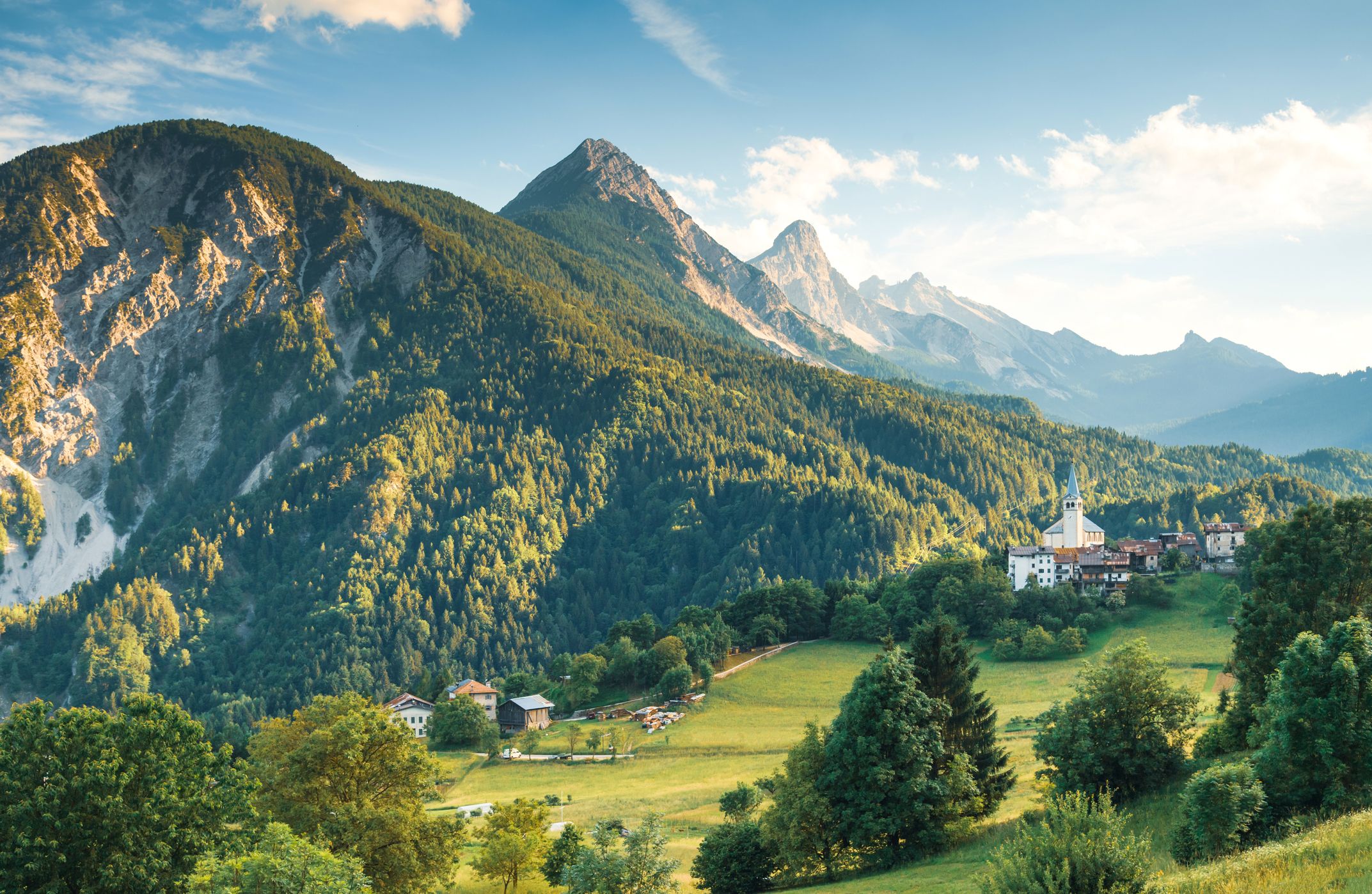
Embracing the lands of the Kashmir Valley in the Union Territory of Jammu and Kashmir, India, is a sub-mountain range that exudes unparalleled beauty and charm — the Zabarwan Range. Spanning a relatively short distance of 20 miles (32 km), this range weaves its way between the Pir Panjal and the Great Himalayan Range, creating a seamless transition that adds to the mystique of the already captivating terrain. In 2026, the Zabarwan Range has emerged as a key destination for trekkers, photographers, and nature enthusiasts who want to experience the less-explored side of Kashmir’s landscapes. In this comprehensive exploration, we uncover the hidden treasures and unique characteristics that define the Zabarwan Range’s significance.

A Visual Masterpiece

As we traverse the undulating terrain of the Kashmir Valley, the Zabarwan Range emerges as a visual masterpiece, seamlessly bridging the gap between the imposing Pir Panjal and the majestic Great Himalayan Range. This sub-mountain range may stretch over a relatively short distance, but its brevity enhances its allure — contributing an additional layer of charm to the already spellbinding scenery. The Zabarwan Range’s modest span in no way diminishes its impact; instead, it elevates its significance, creating a distinct visual appeal that leaves an indelible mark on all those fortunate enough to witness its grandeur.
The range rises directly above Srinagar city, making it uniquely accessible for day hikes and sunrise treks. The famous Shankaracharya Temple sits atop one of its lower ridges, and the celebrated Pari Mahal — the “Palace of Fairies” — is terraced into its western slopes, offering some of the finest panoramic views of Dal Lake and the valley beyond. The Zabarwan Range is, in many ways, the green spine that defines Srinagar’s dramatic skyline.
Geographical Significance and Ecological Balance

Beyond its aesthetic splendor, the Zabarwan Range plays a pivotal role in shaping the region’s geographical landscape. Situated at the heart of the Kashmir Valley, this range influences the course of rivers, the formation of valleys, and the overall topography of the area. Serving as a natural barrier, the Zabarwan Range influences weather patterns, fostering diverse ecological niches and maintaining a delicate balance within the ecosystem.
The shifts from the Pir Panjal to the Zabarwan Range and subsequently to the Great Himalayan Range contribute to a dynamic topographical narrative that offers a glimpse into the geological evolution of the region. This geographical positioning also makes the Zabarwan Range a key watershed for several streams that flow down into the Srinagar basin, ultimately feeding the famous Dal Lake. For a deeper understanding of Kashmir’s mountain geography, read our complete guide to the mountains of Kashmir and the mountain passes of Jammu and Kashmir.
Biodiversity Flourishes Amidst Transitions
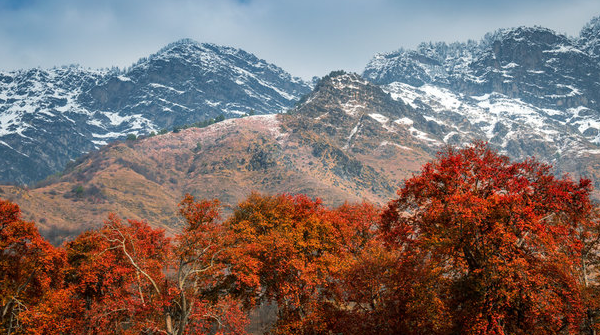
Our exploration of the Zabarwan Range is accompanied by the rich tapestry of flora and fauna that thrives in this unique environment. The transitions between its different elevation zones give rise to microclimates that support a diverse array of vegetation. In the lower reaches of the Zabarwan Range, deciduous forests flourish — primarily Chinar, maple, and walnut — while higher elevations proudly display a canopy of coniferous trees including pine, fir, and deodar cedar.
These transitions between vegetation zones contribute to the range’s vibrant biodiversity, making it a sanctuary for various plant species and the multitude of creatures that call this landscape home. The Zabarwan Range is a key part of the broader Dachigam National Park buffer zone — one of the most important wildlife sanctuaries in the Himalayas and the last stronghold of the critically endangered Kashmiri stag (Hangul). Bird watchers will find the Zabarwan forests especially rewarding — Himalayan Monals, Black-throated Thrushes, and various species of raptors are regularly spotted here. For more on Kashmir’s wildlife, explore our guide to Lachipora Wildlife Sanctuary.
Embarking on Spectacular Hiking Trails

For adventure enthusiasts and lovers of nature’s beauty, the Zabarwan Range opens its arms with an array of spectacular hiking trails. As we step onto these trails, we are greeted by panoramic vistas that gradually unfold with each turn — the glittering expanse of Dal Lake below, the white towers of the Hazratbal Shrine across the water, and the broad sweep of the Kashmir Valley stretching in every direction.
The transitions from one vantage point to the next generate a sense of anticipation, urging hikers to explore further and immerse themselves in the ever-changing panorama. Key hiking highlights within the Zabarwan Range include:
- Shankaracharya Hill Trail: A short but rewarding climb to the Shankaracharya Temple at 1,100 metres — offering 360° views over Srinagar and Dal Lake.
- Pari Mahal Terraces: The Pari Mahal garden terraces allow visitors to walk through Mughal-era ruins while enjoying increasingly dramatic valley views with each ascending level.
- Dachigam National Park Trails: For wildlife-focused hikers, trails within the national park offer the chance to spot Hangul deer, leopards, and an extraordinary range of Himalayan birds.
- Zabarwan Summit Treks: More demanding routes reach the upper ridgelines of the range, where clear days reveal views extending to the highest peaks of Kashmir.
For adventure lovers who want to combine Zabarwan hiking with broader Kashmir adventures, explore our guides to paragliding in Kashmir, river rafting, and the celebrated Great Lakes Trek. The Zabarwan Range also makes an excellent warm-up destination before attempting longer treks in Sonamarg or Pahalgam.
Cultural Threads Woven into Nature’s Canvas
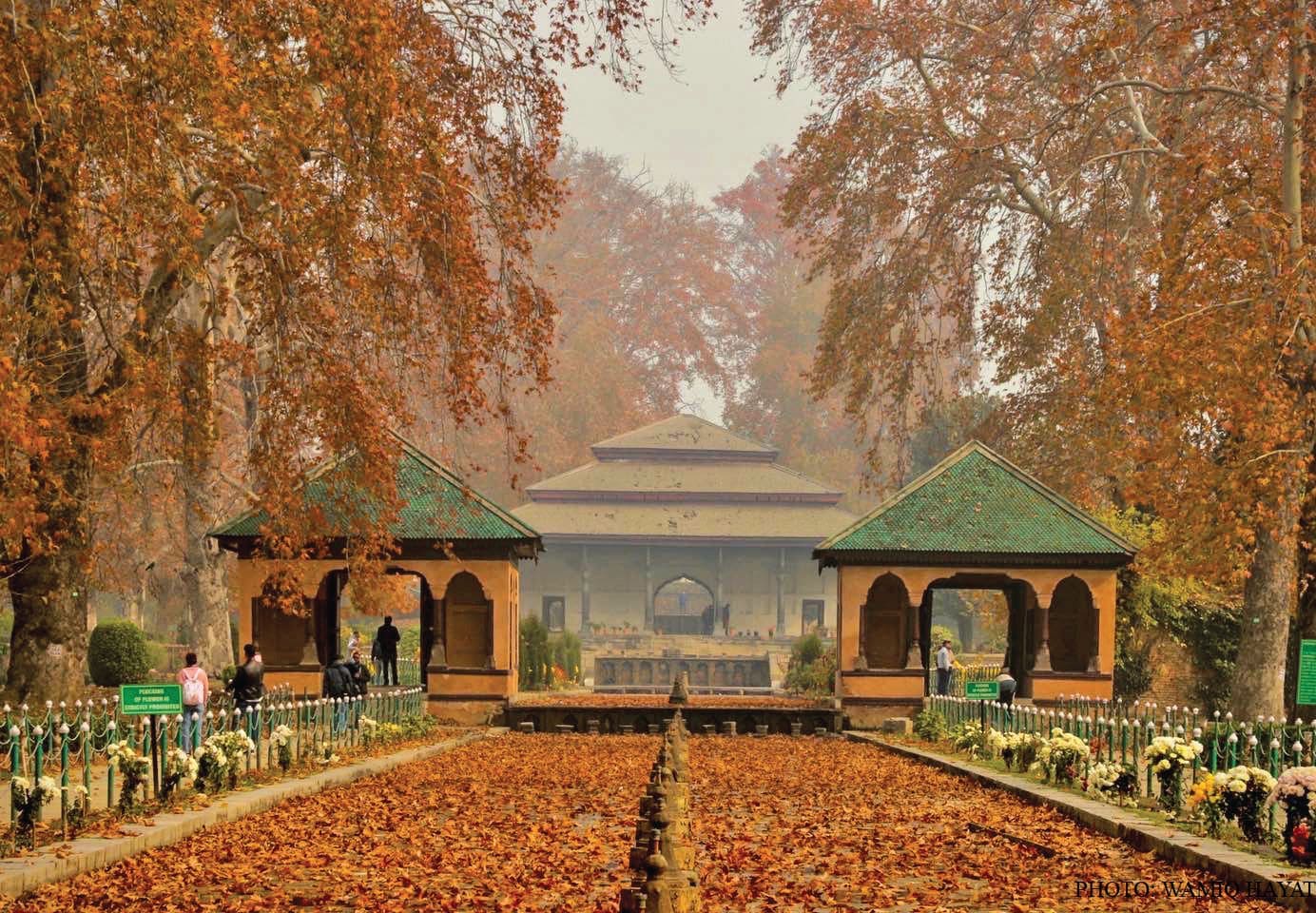
The Zabarwan Range has been woven into the cultural fabric of the Kashmir Valley for generations. The communities dwelling in proximity to the range have drawn inspiration from its awe-inspiring presence, infusing its majestic beauty into their traditions, folklore, and way of life. The great Mughal emperors chose to build their most celebrated gardens — including Nishat Bagh and Chashme Shahi — at the very foot of the Zabarwan Range, using its natural springs as the water source for their intricate irrigation channels. This connection between the range’s hydrology and the Kashmiri Mughal garden tradition is one of the most enduring legacies of the Zabarwan in human culture.
Symbolically linked to the cycles of life, renewal, and resilience, the range holds deep cultural significance for the people of Kashmir’s long history. This bond between nature and culture further enriches our understanding of the Zabarwan Range’s role in shaping the lives of the local populace — from the artisans of Srinagar’s old city to the spiritual communities that have meditated in these forests for centuries.
Visiting the Zabarwan Range in 2026: Practical Tips

- Location: The Zabarwan Range rises directly above Srinagar — all major access points are within 5–15 km of the city centre. Check our Srinagar distances guide for exact travel times.
- Best Time to Visit: April to November for hiking and photography. Spring brings lush greenery and wildflowers; autumn transforms the deciduous forests into a spectacular tapestry of gold and crimson. Read our best time to visit Kashmir guide for full seasonal advice.
- Getting There: Book a reliable cab service in Kashmir from Srinagar to reach trailheads at Shankaracharya Hill, Pari Mahal, or the Dachigam National Park entrance.
- Where to Stay: Stay in Srinagar and day-hike into the Zabarwan Range. Browse our Srinagar hotels guide for the best options across all budgets. A Dal Lake houseboat with the Zabarwan hills as your backdrop is a particularly magical experience.
- Combine With: Pair Zabarwan hiking with a full Srinagar sightseeing day including the Mughal Gardens, Hazratbal Shrine, and Dal Lake shikara ride. Use our 3-day Kashmir itinerary for a ready-made plan.
- Budget: Use our Kashmir trip cost calculator 2026 to estimate your full expenses.
Conclusion
Situated within the embrace of the Kashmir Valley, the Zabarwan Range stands as a testament to nature’s artistry. Its seemingly brief stretch serves as a bridge that connects the imposing Pir Panjal and the magnificent Great Himalayan Range. As we have traversed its geological importance, diverse biodiversity, and cultural significance, we come to appreciate how this sub-mountain range intertwines itself with the very essence of the region. Whether through its captivating hiking trails, flourishing flora, or symbolic resonance in the Mughal garden tradition, the Zabarwan Range serves as a vivid reminder of nature’s boundless beauty and the profound connections it fosters with humanity.
Plan your visit to the Zabarwan Range as part of a broader Kashmir adventure — explore the top places to visit in Kashmir, discover the offbeat gems of Kashmir, and let the complete Kashmir tourism guide 2026 help you plan the perfect trip.
👉 Also Read: